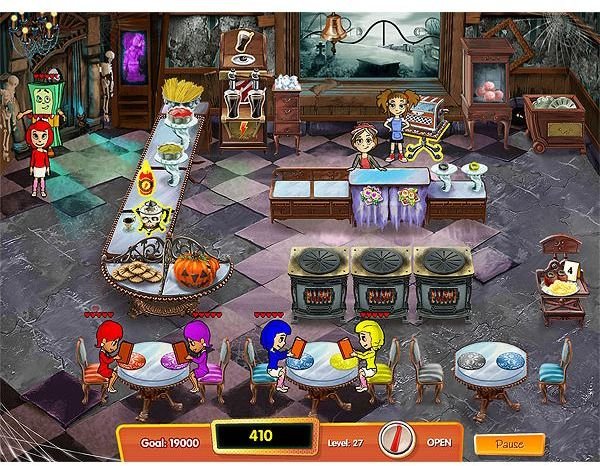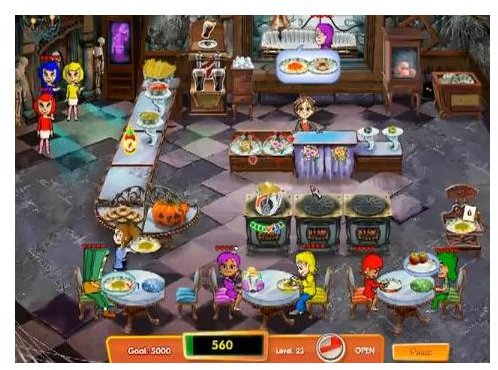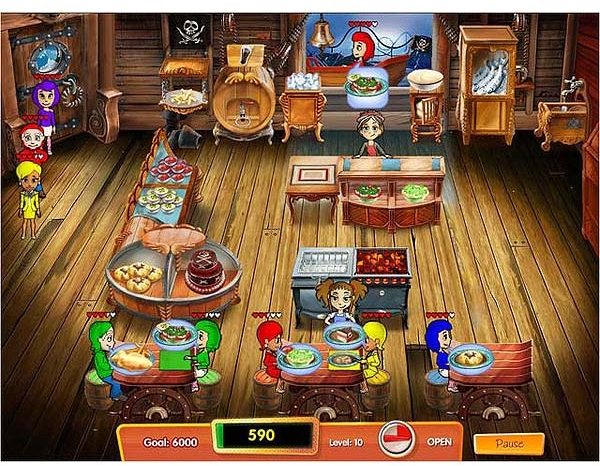
Cooking games engage players in fun, interactive challenges that build real-world planning skills like time management, multitasking, and resource allocation through accessible gameplay.
The Appeal of Cooking Games
Cooking games have captivated players for years by combining creativity, strategy, and quick thinking within a casual, family-friendly environment. These games often simulate the fast-paced nature of cooking in a kitchen, requiring players to prepare dishes, manage orders, and keep customers happy. Beyond their entertainment value, cooking games provide practical exercises in planning and organization that translate into real-life skills.
Time Management in the Virtual Kitchen
One of the most prominent skills practiced in cooking games is time management. Players must prioritize tasks, allocate limited time effectively, and avoid bottlenecks. For example, a player might need to chop vegetables, boil pasta, and serve customers all within a countdown timer. This pressure mimics real-world cooking scenarios where timing is critical to ensure dishes are prepared properly and served hot.
In many cooking games, failing to manage time well results in unhappy customers or lost points, encouraging players to develop a rhythm and sequence their actions efficiently. This builds an intuitive understanding of deadlines and the consequences of poor timing.
Multitasking and Prioritization
Cooking games often require players to juggle multiple activities simultaneously, such as preparing ingredients, cooking several dishes, and managing customer orders. This multitasking environment helps players practice prioritization - deciding which task needs immediate attention and which can wait.
For instance, a player might be grilling burgers while also assembling salads and keeping an eye on the oven. Balancing these tasks demands constant attention and quick decision-making. These skills are transferable to everyday situations where managing several responsibilities at once is necessary.
Resource Management and Strategic Planning
Beyond time, cooking games teach players to manage resources like ingredients, kitchen tools, and workspace. Players must plan their actions based on what’s available and what’s coming next. Running out of a key ingredient might force a player to change their cooking strategy or speed up certain steps.
Strategic planning also comes into play when players decide how to upgrade their kitchen or menu. Choosing which appliances to buy or which recipes to unlock affects overall efficiency and success. This mirrors real-life planning where resource allocation and investment decisions impact outcomes.
Learning Through Repetition and Feedback
Cooking games typically use a cycle of repetition and feedback to enhance learning. Players try a level, receive feedback based on their performance, and adjust their approach accordingly. This trial-and-error process encourages problem-solving and adaptive thinking.
For example, if a player notices that a particular dish consistently slows down their progress, they might experiment with changing the order of preparation or focusing on faster recipes. This reflective practice builds critical thinking and resilience.
Supporting Family-Friendly Play
Many cooking games are designed to be accessible and enjoyable for all ages, making them ideal for family play. They often feature colorful graphics, simple controls, and cooperative modes that encourage teamwork and communication.
Playing cooking games together can foster shared goal-setting and collaborative planning, reinforcing the skills discussed above in a social context. It also provides a platform for parents and children to bond while engaging in an educational activity.
Practical Examples of Cooking Game Mechanics
- Order Sequencing: Players receive multiple orders that must be prepared in a specific sequence to maximize efficiency.
- Ingredient Preparation: Tasks such as chopping, mixing, and cooking require attention to detail and timing.
- Customer Satisfaction: Meeting customer expectations adds a layer of pressure and motivation.
- Upgrades and Customization: Players invest in better equipment or new recipes to improve gameplay performance.
These mechanics work together to create a dynamic environment where planning skills are continuously exercised.
Applying Skills Beyond the Screen
The planning skills honed in cooking games have practical applications beyond the virtual kitchen. Time management and multitasking are valuable in work, school, and home life. Resource management and strategic planning support budgeting, project management, and goal-setting.
For example, a player accustomed to juggling multiple cooking tasks might find it easier to organize daily chores or manage deadlines at work. The problem-solving mindset developed through gameplay encourages adaptability and creative thinking.
Encouraging Accessible Play and Learning
Cooking games often feature adjustable difficulty levels and intuitive controls to accommodate players of all skill levels and abilities. This accessibility ensures that anyone interested can participate and benefit from the planning challenges presented.
Providing clear instructions, visual cues, and gradual progression helps players build confidence and competence. This approach aligns with inclusive design principles and promotes lifelong learning through play.
Conclusion
Cooking games offer more than just casual entertainment; they serve as engaging platforms for practicing essential planning skills like time management, multitasking, and resource allocation. Through interactive challenges and supportive design, these games help players develop real-world abilities that enhance everyday life. Whether playing solo or with family, cooking games provide a cozy, educational experience that combines fun with practical learning. Taking time to explore these games can be a worthwhile way to sharpen planning skills while enjoying accessible, family-friendly gameplay.