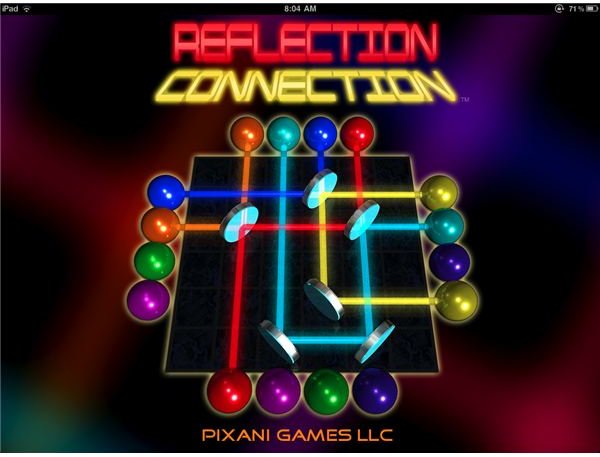
Create a digital family game night that engages all ages and skill levels with inclusive game choices, accessible technology, and shared fun for everyone involved.
Choosing Games That Everyone Can Enjoy
Finding games that appeal to all family members is the foundation of a successful digital game night. Look for casual, family-friendly titles that balance fun and challenge without overwhelming younger or less experienced players. Puzzle games like “Monument Valley” or “Unblock Me” offer relaxing yet engaging gameplay suitable for a wide age range. Cooperative games such as “Overcooked” or “Stardew Valley” foster teamwork and communication, allowing family members to support each other rather than compete.
When selecting games, consider those with adjustable difficulty levels or modes that cater to different skill levels. For example, many mobile games include beginner and advanced modes or settings that simplify controls, ensuring everyone can participate comfortably.
Setting Up Technology for Easy Access
Technology setup can be a barrier if not handled thoughtfully. Choose platforms that everyone in the family can access easily, such as mobile devices or tablets, which many households already have. Services like Steam or family-friendly consoles with simple interfaces can also work well.
Ensure your internet connection is stable to avoid frustrating interruptions. If some family members have less experience with devices, take time before game night to help them install necessary apps, create accounts, or familiarize themselves with controls. A quick tutorial or practice round can ease anxiety and make the experience more enjoyable.
Creating a Comfortable and Inclusive Environment
Physical comfort matters, even in digital gatherings. Encourage family members to set up in comfortable seating with good lighting and minimal distractions. If playing remotely, suggest using headphones for clearer communication and to reduce background noise.
Involve everyone in setting ground rules for the night, such as taking turns choosing games or agreeing on screen time limits. This inclusion fosters respect and ensures no one feels left out or overwhelmed.
Using Communication Tools to Stay Connected
Communication is key to keeping family game nights engaging. Use video chat platforms like Zoom, Google Meet, or Discord to see each other’s reactions and share laughter. Many games have built-in voice or text chat features, but sometimes external apps provide better reliability and ease of use.
Encourage players to express themselves and cheer each other on. For example, during cooperative puzzle games, teammates can discuss strategies and celebrate small victories, strengthening bonds beyond the screen.
Incorporating Breaks and Variety
Long gaming sessions can lead to fatigue or frustration, so plan short breaks to stretch, grab snacks, or chat informally. These pauses help maintain energy and camaraderie.
Mix up the types of games played to keep everyone engaged. Rotate between puzzle challenges, trivia quizzes, and light-hearted party games. For instance, after a cooperative farming game, switch to a simple word puzzle or a family-friendly trivia app that everyone can join easily.
Adapting for Different Age Groups and Abilities
To truly include everyone, adapt game choices and play styles to accommodate different ages and abilities. For younger children, pick games with simple controls and bright visuals, like “Toca Boca” apps or “Animal Crossing Pocket Camp.” For older family members who may be less tech-savvy, consider games with straightforward interfaces and clear instructions.
If any family member has a disability, explore accessibility features such as customizable controls, text-to-speech options, or colorblind modes. Many modern games and devices include settings designed to make play easier for diverse users.
Encouraging Positive Attitudes and Patience
A digital family game night is as much about connection as competition. Encourage players to be patient with each other, especially when learning new games. Celebrate effort and teamwork rather than just winning.
Remind everyone that mistakes are part of the fun and learning process. Keeping a lighthearted atmosphere where humor and kindness prevail helps everyone feel comfortable and eager to participate again.
Wrapping Up with Shared Reflection
After the games, spend a few minutes reflecting on what everyone enjoyed most and what could be improved for next time. Ask questions like “Which game did you like best?” or “What new thing did you learn?” This encourages communication and helps tailor future game nights to the family’s preferences.
Consider recording favorite moments or taking screenshots to create a digital scrapbook of memories. This adds a special touch and gives everyone something to look forward to.
By thoughtfully selecting games, preparing technology, fostering communication, and embracing inclusivity, your digital family game night can become a cherished tradition that brings everyone closer together, no matter where they are.