Mastering casual racing games involves smooth steering, smart braking, and strategic use of boosts to achieve cleaner turns and faster lap times for a more enjoyable gaming experience.
Understanding the Basics of Casual Racing Controls
Casual racing games are designed for easy access and fun, but mastering their controls can significantly improve your performance. Unlike simulation racers, casual titles often have simplified steering and acceleration mechanics, allowing players to focus on timing and strategy. Start by familiarizing yourself with the basic controls-steering, accelerating, braking, and boosting. Spend time in practice modes to get a feel for the vehicle’s handling characteristics, especially how it responds to turning inputs and speed changes. Smooth, deliberate steering input helps prevent oversteering, which can slow you down during sharp turns.
The Importance of Smooth Steering for Cleaner Turns
One of the key skills in casual racing games is making clean turns without losing momentum. Jerky or abrupt steering can cause your vehicle to slide out or hit obstacles, costing precious seconds. Instead, aim for smooth, gradual steering adjustments as you approach a corner. For example, if you’re coming into a right-hand turn, start gently turning the wheel or joystick early and increase the turn angle steadily rather than snapping it all at once. This technique keeps your racing line tight and helps maintain speed through the curve.
When and How to Brake Effectively
Braking is often underestimated in casual racing but is essential for cleaner turns and better lap times. Instead of braking hard at the last moment, try to brake earlier and more gently to reduce speed before entering a corner. This approach prevents skidding and allows for a controlled turn. If your game supports it, use the brake in combination with downshifting or engine braking features to maximize control. For instance, in a hairpin turn, begin braking well before the curve, then gradually release the brake as you steer through the turn to accelerate out smoothly.
Finding the Perfect Racing Line
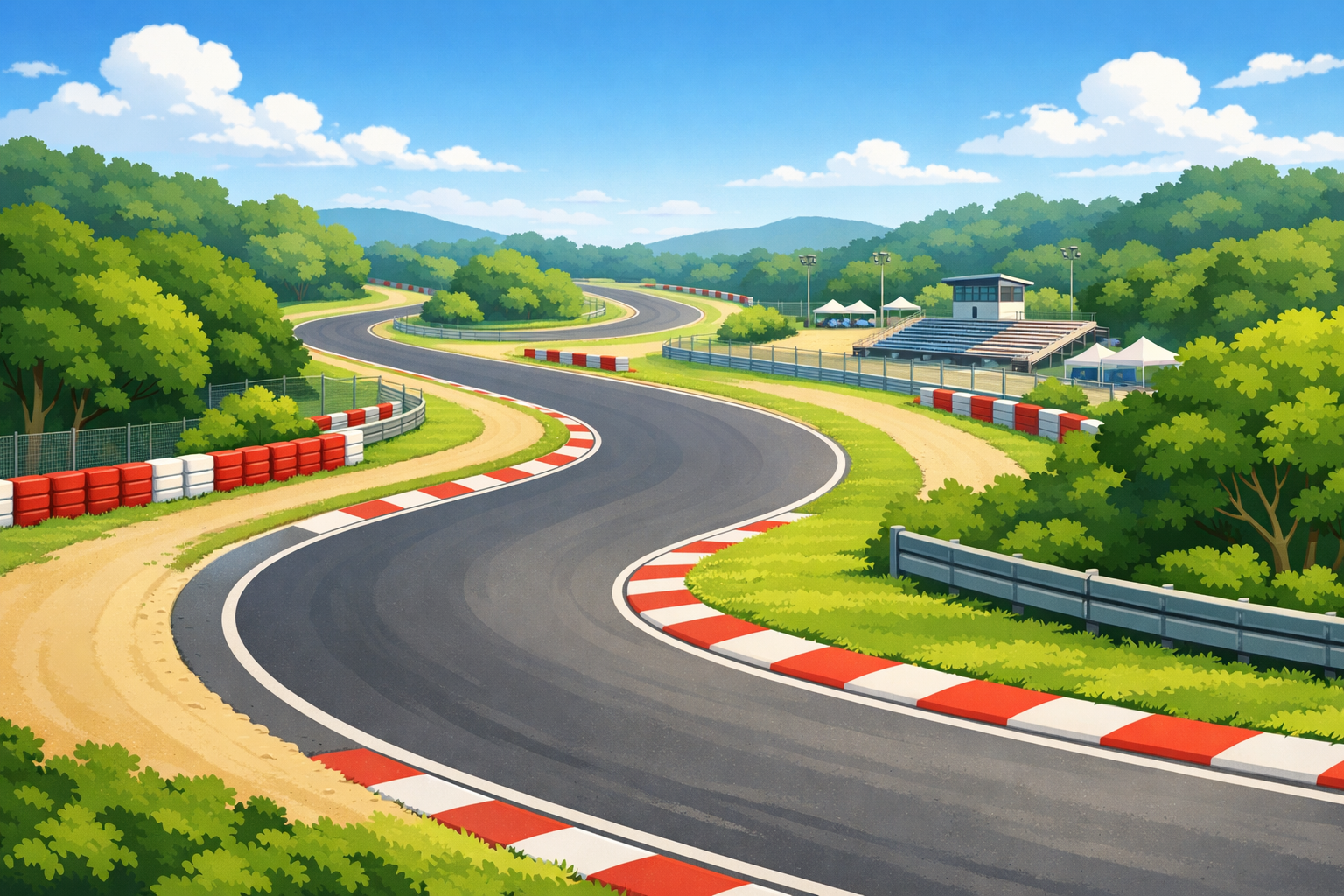
Following the ideal racing line is crucial for minimizing lap times. The racing line is the path around the track that allows the highest possible speed while negotiating turns efficiently. Generally, this means entering a corner from the outside edge, clipping the apex (the innermost point of the turn), and exiting back towards the outside. Practicing this line helps you avoid unnecessary steering corrections and keeps your vehicle balanced. Use practice or time trial modes to experiment with different lines and observe which one feels the smoothest and fastest.
Strategic Use of Boosts and Power-ups
Many casual racing games include boosts or power-ups that can give you speed advantages, but using them at the right time is key. Save your boost for straight sections or when exiting a turn, where accelerating quickly can gain you significant ground. Avoid using boosts mid-turn as it might cause loss of traction and slower cornering. For example, if you have a nitro boost, wait until your vehicle is fully aligned on the straightaway before activating it. This timing maximizes speed without sacrificing control.
Reading the Track and Anticipating Turns
Successful racers develop a sense for the track layout and upcoming turns, allowing them to prepare in advance. Pay attention to visual cues such as trackside signs, changes in road texture, or the shape of upcoming curves. Learning the sequence of turns helps you decide when to brake, steer, or boost. For instance, if you know a sharp turn follows a gentle curve, you can start reducing speed earlier and position your vehicle properly to handle both efficiently.
Managing Different Vehicle Types and Their Handling
Casual racing games often feature a variety of vehicles, each with unique handling properties like acceleration, top speed, and turning radius. Understanding these differences helps you adjust your driving style accordingly. Lightweight vehicles usually turn more sharply but may have lower top speeds, while heavier vehicles can maintain speed better on straights but require wider turns. Experiment with different vehicles to find one that fits your preferred playstyle and practice adapting your approach to their handling quirks.
Practicing Patience and Consistency
While it’s tempting to push for maximum speed at all times, patience and consistency often yield better results in casual racing games. Avoid risky maneuvers that could lead to crashes or off-track penalties. Instead, focus on clean laps, maintaining control, and reducing mistakes. Over time, this consistent driving improves your overall times and makes your gameplay more enjoyable. For example, if you repeatedly struggle with a particular corner, slow down slightly to improve your line and exit speed rather than rushing and crashing.
Closing Thoughts
Improving at casual racing games is about balancing speed with control. By focusing on smooth steering, timely braking, strategic boost use, and understanding the racing line, you can make cleaner turns and achieve better lap times. Take time to learn each track’s nuances and adapt your driving to different vehicles and conditions. With patience and practice, your casual racing experience will become not only faster but more satisfying and fun.