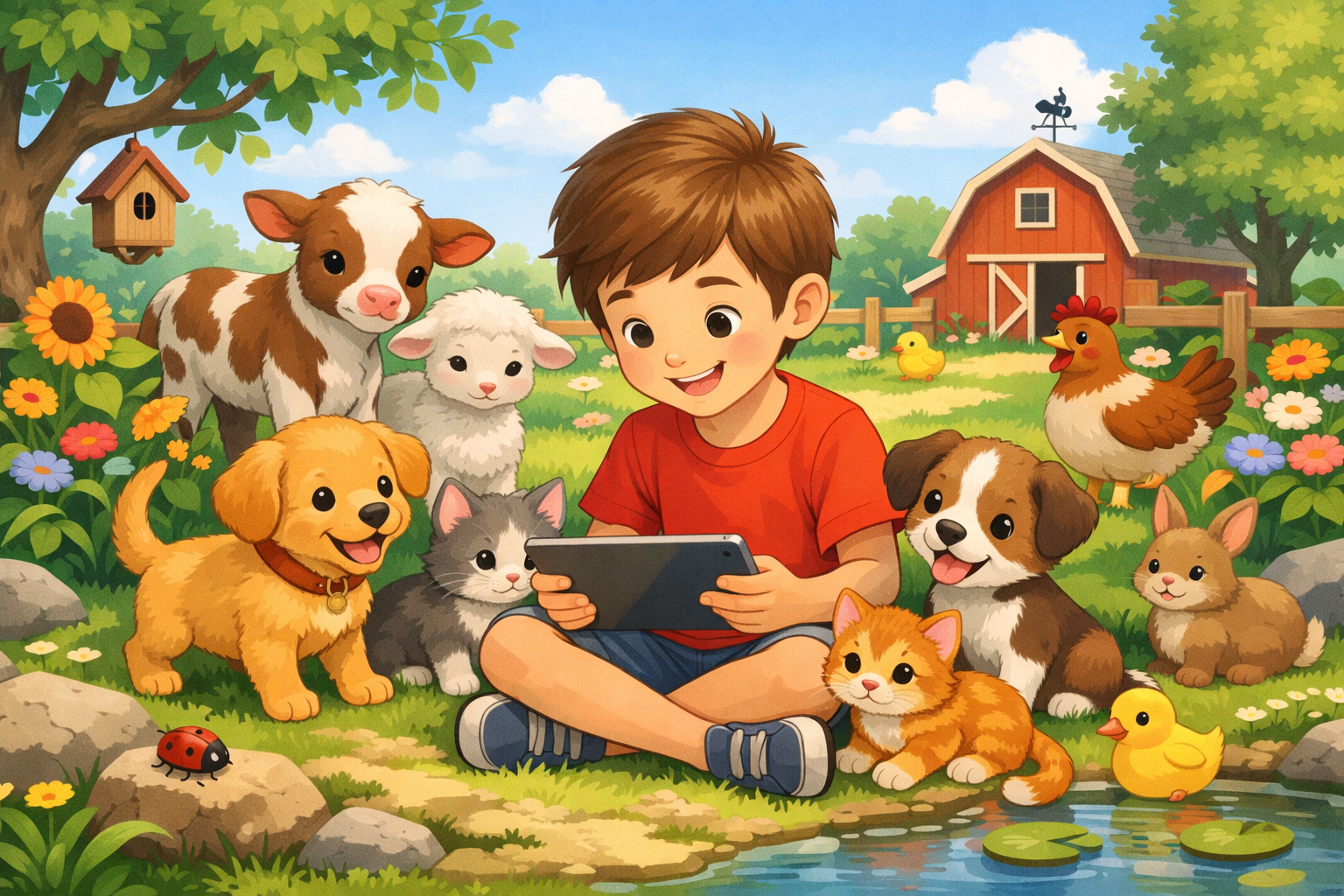
Animal care games offer kids who enjoy routine and responsibility a fun, interactive way to learn about nurturing, time management, and empathy through engaging gameplay.
Animal care games have become a popular genre among family-friendly games, especially for children who thrive on routine and responsibility. These games provide a safe, engaging environment where kids can nurture virtual pets, manage daily care tasks, and experience the rewards of consistent attention. Beyond pure entertainment, these games foster important life skills such as empathy, time management, and problem-solving.
Why Animal Care Games Appeal to Kids Who Love Routine
Children who enjoy routine often find comfort in predictable daily tasks and clear expectations. Animal care games mimic these real-life responsibilities by requiring players to feed, groom, and tend to their virtual pets regularly. This structure helps kids feel a sense of accomplishment as they maintain their pets’ well-being through scheduled activities. The repetitive nature of these tasks can be soothing and motivating, reinforcing positive habits that translate into real-world routines.
Key Skills Developed Through Animal Care Games
Playing animal care games can help children develop a variety of skills:
- Responsibility: Managing a pet’s needs encourages accountability and follow-through.
- Empathy: Understanding an animal’s emotions and needs fosters compassion.
- Time Management: Balancing care tasks with game goals teaches planning.
- Problem Solving: Addressing unexpected pet challenges builds critical thinking.
These skills support emotional growth and practical abilities in a low-pressure setting.
Popular Types of Animal Care Games for Kids
There are several types of animal care games suitable for children, each offering unique gameplay elements:
- Virtual Pet Simulators: Players care for pets like dogs, cats, or exotic animals by feeding, bathing, and playing with them.
- Farm and Zoo Management: Kids manage multiple animals, balancing care routines with resource management.
- Puzzle-Based Care Games: Combining caregiving with puzzle challenges adds variety and cognitive engagement.
For example, a virtual pet simulator might require daily feeding and playtime, while a farm game could involve rotating tasks among multiple animals, teaching prioritization.
How Routine Enhances Engagement in Animal Care Games
Routine tasks in animal care games create a predictable framework that helps children stay engaged. Scheduled activities like feeding times, play sessions, and rest periods mimic real pet care, reinforcing the importance of consistency. This predictability reduces frustration and makes it easier for kids to remember and complete tasks, leading to a satisfying gameplay experience. Additionally, routines often unlock rewards or progress, motivating children to maintain good habits.
Making Animal Care Games Accessible and Enjoyable
To maximize the benefits of animal care games for kids, consider the following tips:
- Choose games with simple controls and clear instructions.
- Look for adjustable difficulty to match your child’s skill level.
- Encourage regular breaks to prevent screen fatigue.
- Play together to discuss the animals’ needs and care strategies.
These approaches ensure the game remains fun and educational without becoming overwhelming.
Examples of Animal Care Game Features that Teach Responsibility
Many animal care games include features designed to teach responsibility effectively. For example, some games have:
- Daily checklists to track pet care tasks.
- Consequences for neglect, such as a pet becoming unhappy or sick.
- Mini-games that simulate grooming or training sessions.
- Progress systems that reward consistent care with new items or abilities.
These mechanics reinforce the importance of routine and attentive care in an engaging way.
Encouraging Offline Activities Inspired by Animal Care Games
Animal care games can inspire kids to engage in offline activities that complement their virtual experiences. Encourage children to:
- Help with real pet care at home, such as feeding or walking pets.
- Create drawings or stories about their virtual animals.
- Build simple schedules or charts to track daily responsibilities.
These activities deepen the learning impact of the games and connect digital play with real-world skills.
Balancing Screen Time with Other Responsibilities
While animal care games can teach valuable lessons, it is important to balance gameplay with other responsibilities and activities. Setting clear limits on screen time helps maintain a healthy routine. Parents and caregivers can use game tasks as opportunities to discuss responsibility and time management, reinforcing lessons learned during play. This balance supports overall well-being and encourages children to apply their skills beyond the screen.
Animal care games provide a meaningful way for kids who enjoy routine and responsibility to engage with interactive content that nurtures empathy and practical skills. By choosing age-appropriate games with thoughtful mechanics, parents can support their children’s growth in a fun and accessible way. Integrating gameplay with offline activities and balanced screen time further enhances the positive impact of these games on young players.