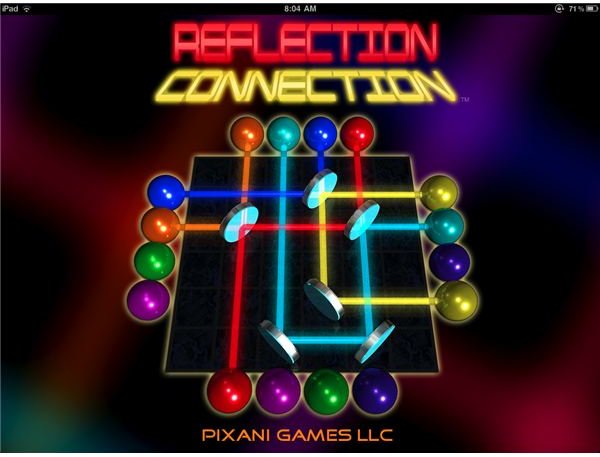
Discover simple, family-friendly party games that are perfect for playing on a living room screen, offering fun, accessible entertainment for players of all ages and skill levels.
Why Choose Party Games for the Living Room Screen?
Playing party games on a living room screen is a great way to bring people together in a shared space. Unlike handheld devices, a large screen offers a communal experience where everyone can watch, cheer, and participate. These games often focus on simple controls and intuitive gameplay, making them accessible for all ages and skill levels. Whether you’re hosting a family gathering or a casual get-together with friends, party games designed for the living room screen create a lively atmosphere without requiring complicated setups or specialized equipment.
Key Features of Simple Living Room Party Games
The best party games for a living room screen usually share several important qualities. First, they are easy to learn and quick to start, avoiding long tutorials or complex mechanics. Second, they support multiple players, often encouraging cooperation or friendly competition. Third, the controls are straightforward, typically relying on common devices like game controllers, smartphones, or even motion sensors. Finally, these games are family-friendly, steering clear of mature themes and emphasizing fun and inclusivity.
Classic Examples of Living Room-Friendly Party Games
Some timeless party games have proven their worth on living room screens. For example, games like “Mario Kart” (without referencing specific versions) offer simple racing fun that players of all ages can enjoy. Another popular choice is “Jackbox Party Pack” style trivia and drawing games, which use phones as controllers and display the action on the TV. Puzzle-based games that allow players to solve challenges together or compete in mini-games also fit well in this setting, as they engage both casual and more strategic players.
Cooperative Puzzle Games for Group Fun
Cooperative puzzle games are a fantastic option for living room play, as they encourage teamwork and communication. Titles that involve solving spatial puzzles, matching patterns, or completing sequences together can be very rewarding. For example, games where players must coordinate to move objects or activate switches can create memorable moments of collaboration. These games often feature colorful graphics and simple controls, making them accessible to younger players while still providing a challenge for adults.
Competitive Mini-Games That Keep Everyone Engaged
Competitive mini-games are ideal for lively party environments where players want quick rounds and instant fun. These games usually consist of several short challenges that test reflexes, memory, or creativity. Examples include simple racing segments, button-mashing contests, or pattern recognition challenges. Because each round is brief, everyone gets a chance to participate multiple times, keeping the energy high and the mood light. These games often allow up to four or more players, making them perfect for families or small groups of friends.
Using Mobile Devices as Controllers
One of the great advantages of many modern party games is their ability to use smartphones or tablets as controllers. This eliminates the need for multiple gamepads and makes setup faster and easier. Players can join using apps or web browsers, which sync with the living room screen. This approach also allows for creative input methods, like drawing on the phone screen or typing answers quickly. Using mobile devices helps accommodate larger groups and lets everyone feel involved, even those who might not usually play video games.
Accessibility and Inclusive Play Tips
Making party games accessible to everyone means considering different abilities and preferences. Opt for games with adjustable difficulty levels, simple control schemes, and clear visual or audio cues. Avoid games that require fast reflexes if some players might struggle with that. Many games offer options to customize settings for colorblind players or those with hearing impairments. Additionally, providing a variety of game types-such as puzzles, trivia, and reaction-based challenges-ensures that everyone can find something enjoyable.
Setting Up Your Living Room for the Best Experience
To get the most out of your living room party games, arrange the space for comfort and visibility. Position seating so everyone has a clear view of the screen and can easily interact with controllers or mobile devices. Ensure that the room has good lighting that doesn’t cause glare on the TV. If the game uses sound cues, consider using external speakers or soundbars to improve audio quality. Finally, keep snacks and drinks nearby but away from devices to avoid accidents during energetic gameplay.
Ending on a Fun Note
Simple party games on a living room screen offer an easy way to connect with family and friends through entertaining, low-pressure gameplay. By choosing games that are accessible, cooperative, or competitively fun, you can create memorable moments that everyone will enjoy. Whether it’s a casual evening or a special occasion, these games provide a perfect blend of interaction and laughter. The key is to focus on inclusive play and shared experiences, turning your living room into a hub of joy and togetherness.