Mastering cooking game timers can reduce stress and improve scores by using effective time management strategies, prioritizing tasks, and practicing calm multitasking during gameplay.
Understanding the Role of Timers in Cooking Games
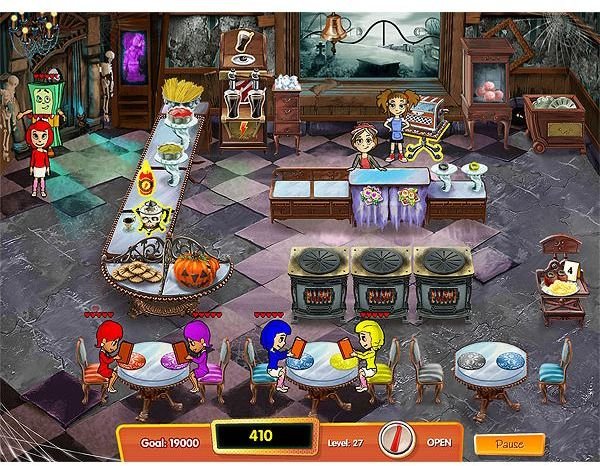
Cooking games often rely on timers to simulate real-time cooking challenges, testing players’ multitasking and time management skills. These timers add urgency and excitement but can also cause stress if not handled well. Recognizing how timers function in your favorite cooking games is the first step toward improving your gameplay. For instance, many games set a countdown for each dish or customer order, requiring you to complete tasks before time runs out. Knowing when timers start and pause can help you plan your moves more effectively.
Prioritize Tasks Based on Time Sensitivity
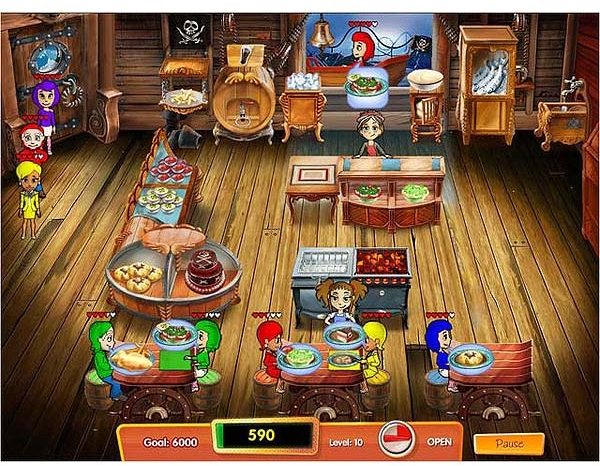
Not all cooking tasks have equal urgency. Some items cook faster and need immediate attention, while others can simmer or bake without constant supervision. Identifying which dishes require quick action helps you allocate your time wisely. For example, if you’re managing a virtual grill and a salad station simultaneously, prioritize flipping the grill items on time to avoid burning while prepping the salad at a steadier pace. This approach reduces wasted time and prevents last-minute panics.
Use Visual and Audio Cues to Stay Ahead
Many cooking games provide visual or audio signals indicating when an item needs attention. These cues can be subtle, like a change in color or a timer icon flashing, or more pronounced, like a beep or bell sound. Train yourself to notice these signals early. For example, in some games, a dish might begin to smoke or change color when it’s nearly done. Responding quickly to these alerts can prevent burning food and help maximize your score.
Develop a Consistent Task Routine
Creating a reliable sequence or routine for completing tasks can greatly improve your efficiency. For instance, start by preparing ingredients, then move to cooking, followed by plating and serving. By repeating this cycle consistently, you build muscle memory and reduce decision fatigue. This routine also helps you anticipate the next steps without having to constantly check the timer, keeping the flow steady and calm.
Keep Calm and Avoid Panic Multitasking
It’s easy to feel overwhelmed when multiple timers tick down simultaneously. However, panicking or rushing often leads to mistakes like burning food or missing orders. Instead, take a deep breath and focus on one task at a time, switching only when necessary. For example, if you have three dishes cooking, check on the one closest to completion before moving to the next. Staying calm improves your reaction time and overall accuracy.
Use Pauses and Breaks When Available
Some cooking games include pause features or moments when the timer stops, such as during menu transitions or between customer waves. Use these breaks to plan your next moves and organize your workspace. For example, if you know a new batch of orders is coming soon, take a moment to prepare all ingredients or clear the counter. These small pauses can reduce stress and help you maintain high performance throughout the game.
Practice Makes Perfect: Repetition Builds Confidence
Repeated playthroughs of the same levels or challenges help you learn timing patterns and improve your speed. For example, if a particular level requires cooking three items simultaneously within a tight timeframe, practicing it multiple times can help you memorize the optimal order and timing. This familiarity reduces guesswork and lets you focus on execution, leading to better scores and a more relaxed experience.
Customize Game Settings for Accessibility
Many cooking games offer adjustable settings such as slower timer speeds, simplified controls, or hints that make gameplay more accessible. If you find timers too stressful, check if the game allows you to modify these options. Slowing down the timer or enabling visual aids can make it easier to manage tasks without sacrificing fun or challenge. This customization supports players of all skill levels and helps maintain a family-friendly environment.
Practical Tips Summary
- Identify and focus on time-sensitive tasks first.
- Watch for visual and audio timer cues.
- Establish a consistent task routine.
- Stay calm; avoid panic multitasking.
- Use pause moments to regroup.
- Practice levels to build timing skills.
- Adjust settings for a tailored experience.
Mastering cooking game timers is about balancing speed with calm focus. By prioritizing tasks, recognizing cues, and developing routines, you can improve your scores while reducing stress. Remember that the goal is to enjoy the cozy, casual nature of cooking games. Take your time learning the rhythms and soon managing multiple orders and timers will feel natural and fun. Happy cooking!