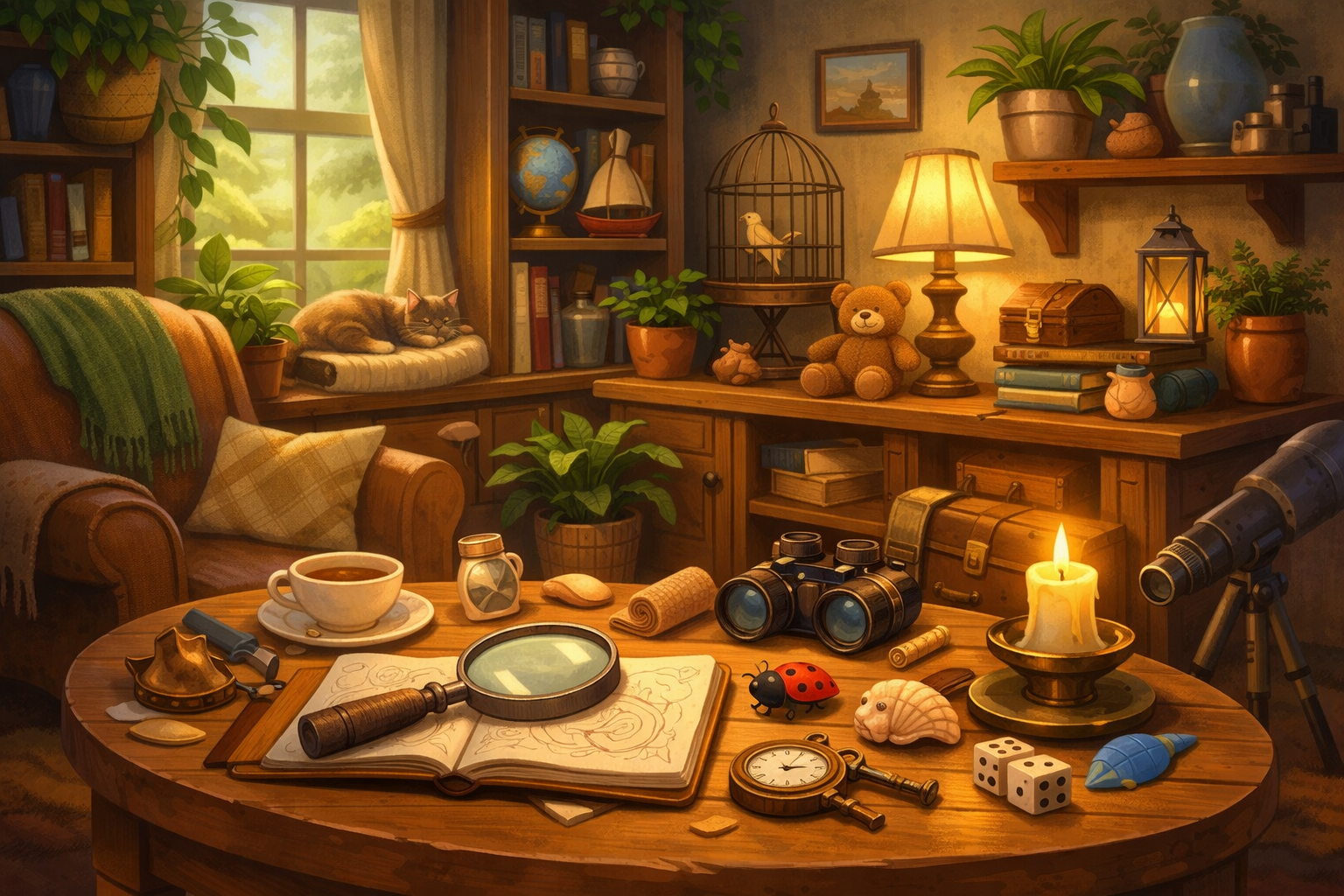
Discover effective habits to sharpen your observation skills and confidently spot the last hidden object in any scene, enhancing your enjoyment of casual and family-friendly puzzle games.
Understand the Scene Layout
Before diving into the search, take a moment to study the entire hidden object scene carefully. Most hidden object games arrange items in a way that blends them into the background or surrounding elements. By familiarizing yourself with the general layout and theme, you can anticipate where objects might be cleverly concealed. Look for clusters of similar items or patterns that repeat, as these often hint at where the final item could be hiding. Taking this initial overview helps reduce random clicking and improves focus.
Scan Methodically Using Grid or Section Techniques
Instead of scanning randomly, divide the scene mentally into smaller sections or grids. This technique ensures you cover every part of the scene without missing any area. Start searching methodically from one corner and move horizontally or vertically, checking each section thoroughly. This habit not only helps in spotting objects that might be camouflaged but also trains your eyes to pay attention to detail systematically, which is crucial for finding that elusive last item.
Pay Attention to Object Shadows and Reflections
Hidden objects often blend into the scenery, but subtle visual cues like shadows or reflections can give them away. Look closely at the edges of objects, under leaves, or near reflective surfaces such as water or glass. Shadows can outline an object’s shape even when the object itself is partially hidden. Developing the habit of scrutinizing these details can help you spot items that are otherwise easy to overlook.
Use Color Contrast to Your Advantage
Many hidden object scenes use muted or similar color palettes to disguise items. To counter this, train yourself to spot slight color contrasts or unnatural hues within the scene. For example, a red object in a predominantly green environment or a bright color near dull surroundings is likely to be a hidden item. Adjusting your focus to notice these color differences can quickly narrow down potential locations for the last item.
Look for Out-of-Place Items
Often, the last hidden object is something that doesn’t quite belong in the scene’s setting or theme. It might be an object that contrasts with the environment or seems oddly placed. Developing the habit of questioning the scene’s coherence and identifying items that feel out of place can lead you directly to the last item. This approach works well in family-friendly games where objects are thoughtfully integrated but still stand out upon close inspection.
Use Peripheral Vision to Spot Movement or Glints
While hidden object games are generally static, some scenes include slight animations or sparkling effects to guide players subtly. Even if animations are absent, training your peripheral vision to notice glints or unusual light spots can help. Look slightly away from the center of your screen and allow your eyes to catch any flicker or shine that might indicate the object’s position. This technique takes practice but can be very rewarding.
Revisit Missed Areas After a Break
If you’ve searched the scene thoroughly but still can’t find the last item, take a short break and return with fresh eyes. Fatigue can dull your observation skills, causing you to overlook details. When you come back, quickly scan the scene again, focusing especially on areas you previously rushed through. This refreshed perspective often reveals the hiding spot of the last object, as your brain processes visual information differently after a pause.
Keep Calm and Avoid Frustration
It’s easy to get frustrated when you can’t find the last hidden object, but staying calm helps maintain sharp observation skills. Take deep breaths and remind yourself that hidden object puzzles reward patience and attention to detail. Sometimes, the last item is hidden in a place you least expect, so keeping a relaxed mindset improves your chances of spotting it. Consistent practice of calm focus builds a habit that enhances your overall gaming experience.
Practical Tips Summary
- Study the entire scene before searching
- Divide the scene into sections for systematic scanning
- Focus on shadows, reflections, and subtle visual cues
- Use color contrast to identify hidden objects
- Spot items that don’t fit the scene’s theme
- Train peripheral vision to notice glints or movement
- Take breaks and revisit the scene with fresh eyes
- Stay calm and patient to maintain focus
Hidden object games are designed to challenge your attention to detail and observation skills. By developing these habits, you’ll not only find the last item faster but also enjoy the relaxing and satisfying experience these games offer. Remember, the key is consistent practice and mindful searching, which improves your ability to notice the smallest details over time. Next time you face a tricky hidden object scene, apply these habits and watch your success rate climb steadily.