Discover practical tips for selecting mobile puzzle games that entertain without feeling like tedious assignments, focusing on enjoyment, accessibility, and challenge balance.
Understand Your Personal Puzzle Preferences
Choosing a mobile puzzle game that feels enjoyable rather than like homework starts with understanding what types of puzzles you naturally enjoy. Some players prefer word puzzles, while others lean toward number or logic challenges. Consider what puzzles have kept your interest in the past and seek games that incorporate those elements. This approach helps ensure that the gameplay feels intuitive and engaging, not forced or dull.
Look for Games with Gradual Difficulty Progression
A common reason puzzle games can feel like work is if the challenges ramp up too quickly or become overly complex without sufficient guidance. Good puzzle games introduce mechanics and difficulty levels gradually, allowing players to build skills and confidence. Check for reviews or descriptions that mention smooth learning curves and balanced difficulty. Games that adjust to your skill level or offer hints can also prevent frustration.
Prioritize Games with Relaxed Timers or No Time Limits
Time pressure can turn a relaxing puzzle experience into a stressful one. If you want a game that doesn’t feel like homework, avoid puzzles that require rapid responses under strict time constraints. Instead, select games that let you solve puzzles at your own pace without penalties for taking extra time. This flexibility can make gameplay feel more like a cozy pastime than a timed test.
Consider the Visual and Audio Design
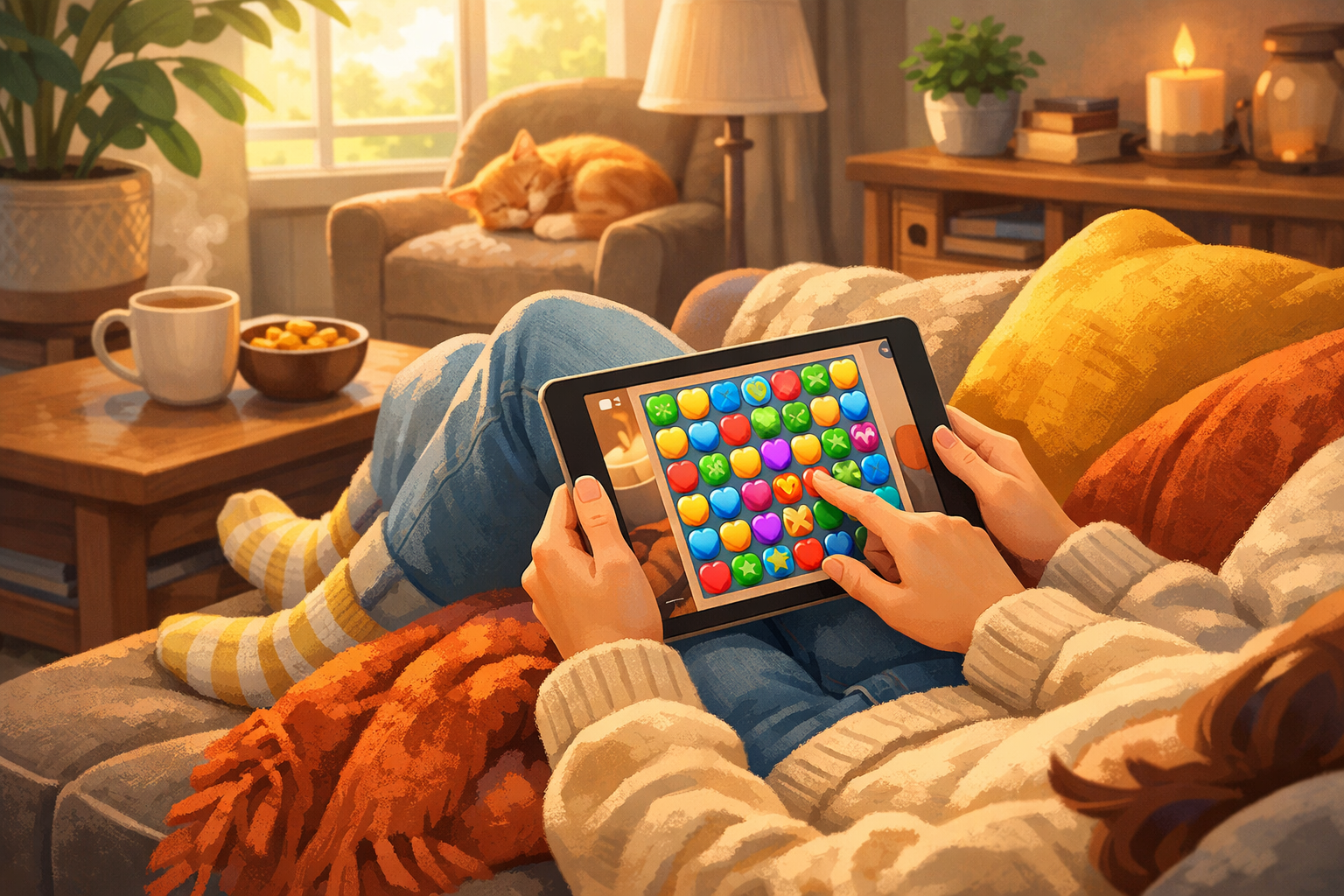
A puzzle game’s aesthetics contribute greatly to its overall feel. Games with soft colors, calming music, and clean interfaces tend to create a more soothing environment. Avoid games with cluttered screens or harsh sound effects if you want to relax while playing. Visual clarity also helps you focus on puzzles without distraction, reducing cognitive load and enhancing enjoyment.
Seek Games with Clear Instructions and Helpful Tutorials
Clear instructions and tutorials are essential for avoiding the frustration that makes a puzzle game feel like homework. Look for games that explain rules simply and demonstrate new mechanics step by step. Some games offer interactive tutorials or practice levels, which help players build understanding before facing real challenges. This kind of onboarding supports a stress-free experience.
Check for Accessibility Features
Accessibility can make a big difference in how enjoyable a puzzle game feels. Features like adjustable font sizes, colorblind modes, and customizable controls can help accommodate various player needs. Games that allow you to tweak settings to suit your preferences or limitations provide a more comfortable and inclusive experience, making the game feel less like a chore.
Pay Attention to Replayability and Variety
A puzzle game that offers diverse challenges and multiple ways to solve problems tends to keep players engaged longer without becoming boring or repetitive. Look for games that include different puzzle types, randomized levels, or creative mechanics. This variety can make each session feel fresh and fun, rather than a repetitive exercise.
Read Player Reviews and Watch Gameplay Videos
Before downloading, check player reviews and watch gameplay videos to get a sense of the game’s pace, difficulty, and tone. Reviews often highlight whether a game feels frustrating or enjoyable, and videos give a firsthand look at the interface and puzzle style. This research helps you avoid games that may feel tedious or overly complex.
Practical Tips for Finding Your Ideal Mobile Puzzle Game
- Try free versions or demos to get a feel for the game before committing.
- Avoid games with aggressive in-app purchases that interrupt gameplay flow.
- Look for community forums or social media groups discussing puzzle games for recommendations.
- Consider your available playtime and choose games that fit your schedule without pressure.
Balancing Challenge with Fun
The best puzzle games strike a balance between challenge and fun. If a game is too easy, it quickly becomes boring; if it’s too hard, it can feel like a chore. Finding a game that challenges you just enough to stay engaged without causing stress is key. Many games let you adjust difficulty settings or choose between casual and expert modes to help maintain this balance.
Embrace Games That Encourage Creativity
Some puzzle games encourage creative problem-solving rather than just following fixed solutions. These games often feel less like homework because they invite exploration and experimentation. Look for titles that allow multiple solutions or open-ended challenges, which can make playing feel more like a relaxing mental exercise than a test.
Conclusion
Choosing a mobile puzzle game that doesn’t feel like homework involves paying attention to your personal preferences, the game’s difficulty progression, and its overall design. Prioritize games that are accessible, visually calming, and offer flexible gameplay without strict time limits. Doing a bit of research before downloading can save you from frustration and help you find a game that’s truly enjoyable. Ultimately, the right puzzle game should feel like a pleasant challenge and a cozy way to unwind rather than a task to complete.